






Total Refresh
PEARL RIVER LASER RESURFACING SPECIALISTS
Most people have some sort of skin blemishes or imperfections that they wish they could correct. Oftentimes they are effects of aging, such as wrinkles, lines, and furrows from years of smiling, frowning, and wrinkling our brows.
Other times they are unfortunate scars from acne, broken blood vessels, or damage from sun exposure. Laser Resurfacing therapy is a breakthrough in cosmetic medicine that can correct these blemishes quickly, effectively, and safely. Reflections Medical by Dr. Michael Fiorillo can help repair your skin to a healthy, youthful look with Laser Resurfacing in Pearl River. Contact us to schedule a consultation today!

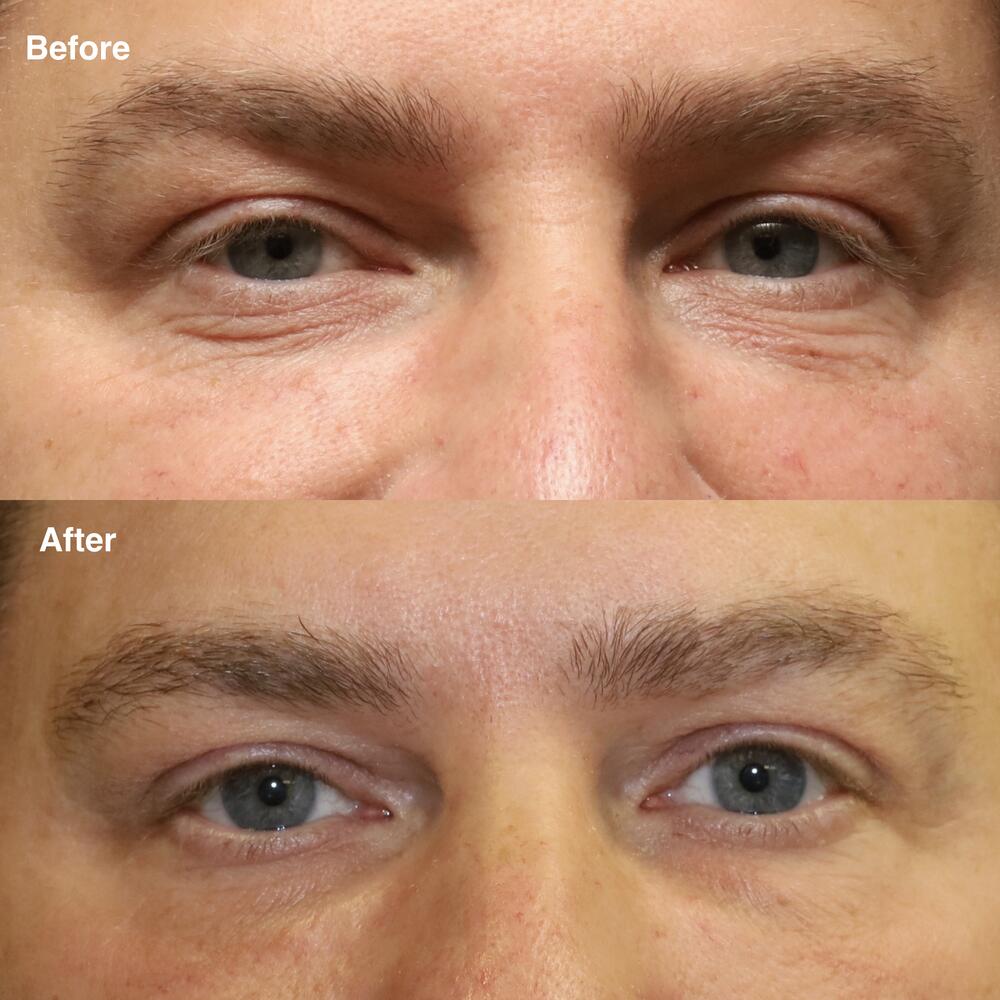
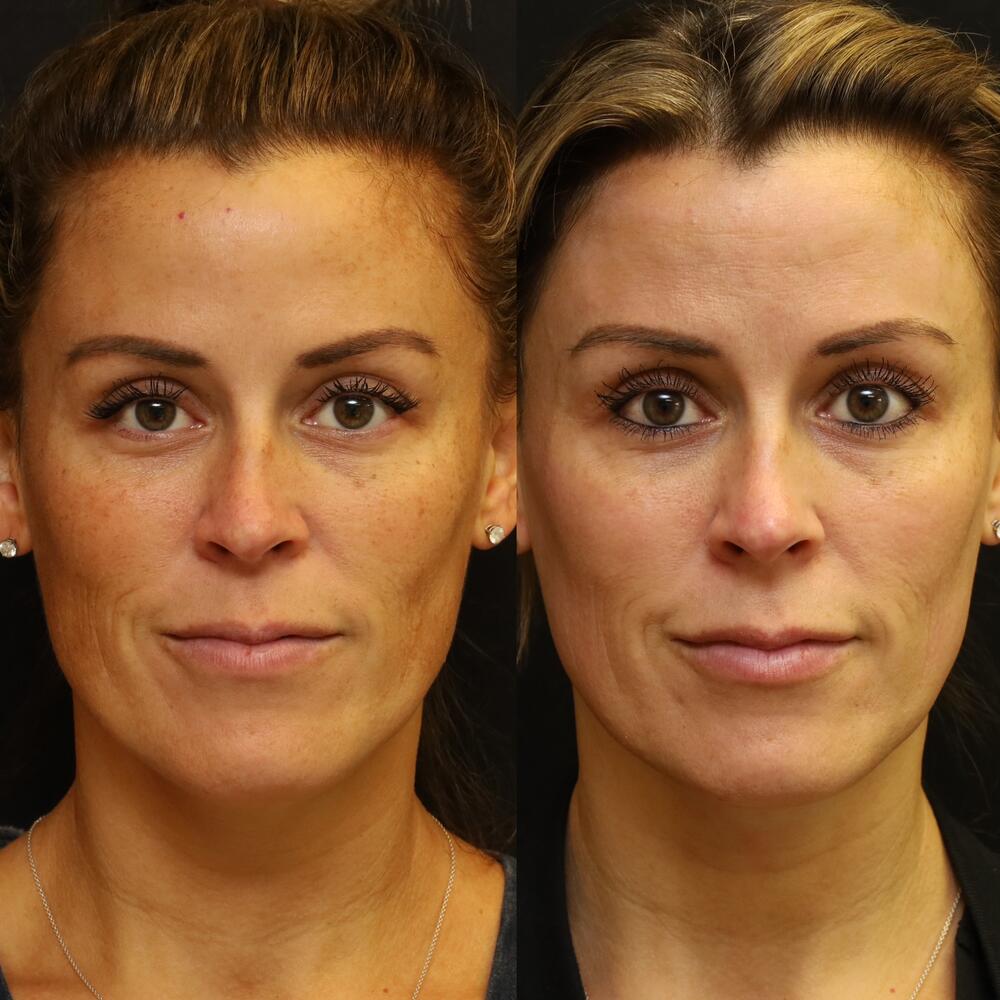
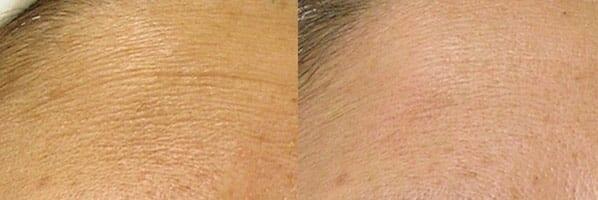
Laser Resurfacing Before & Afters
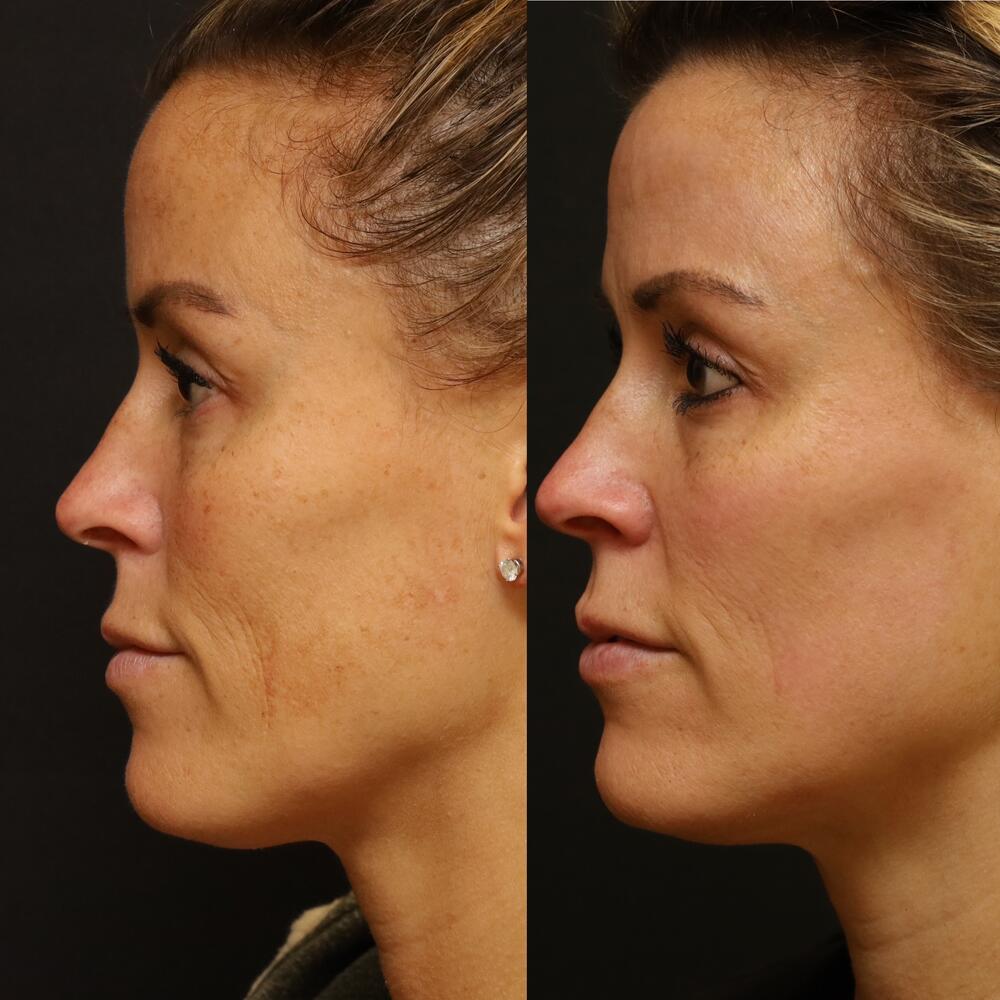
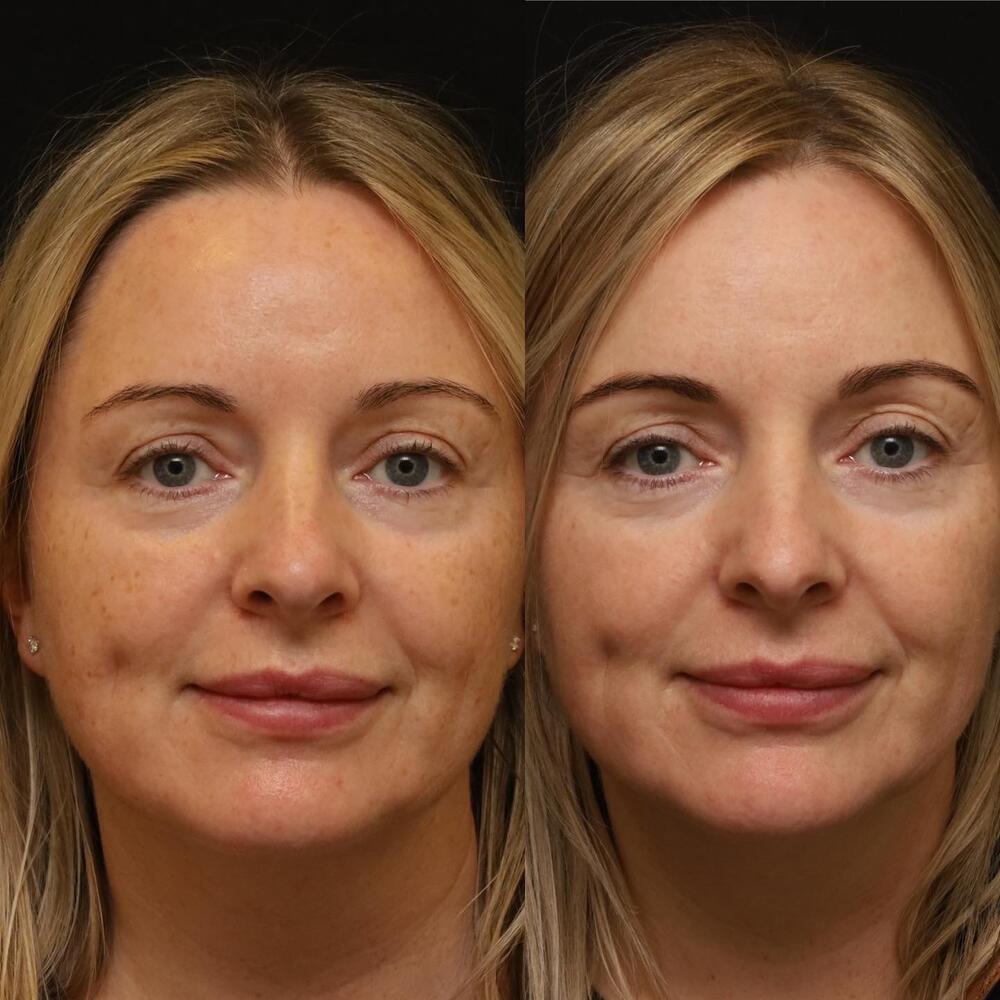
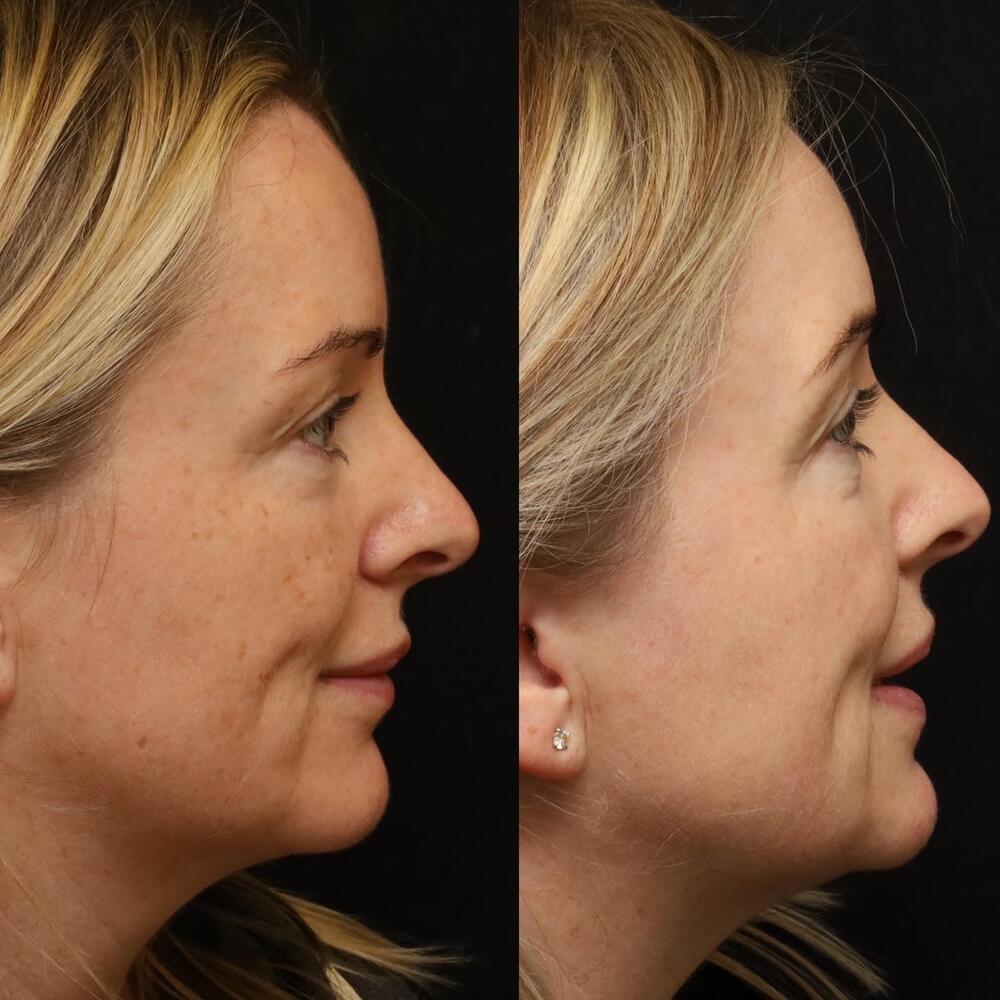
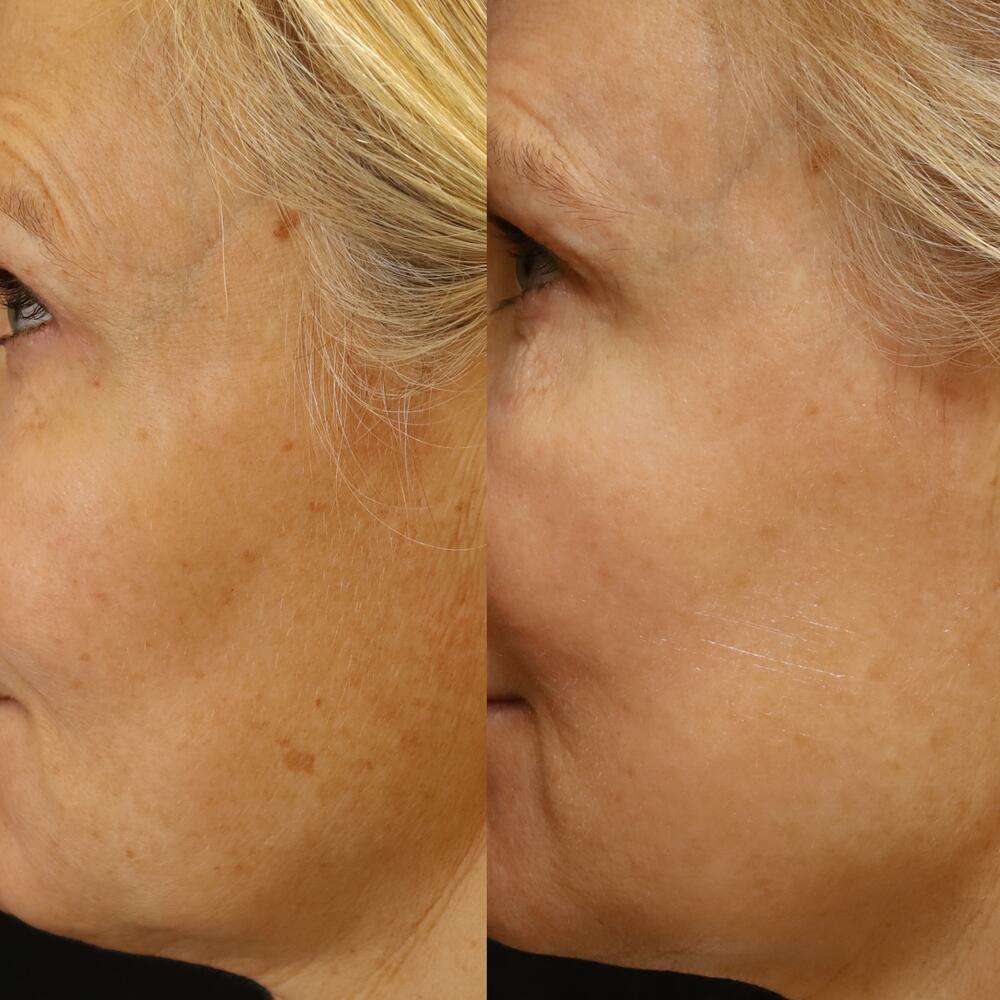
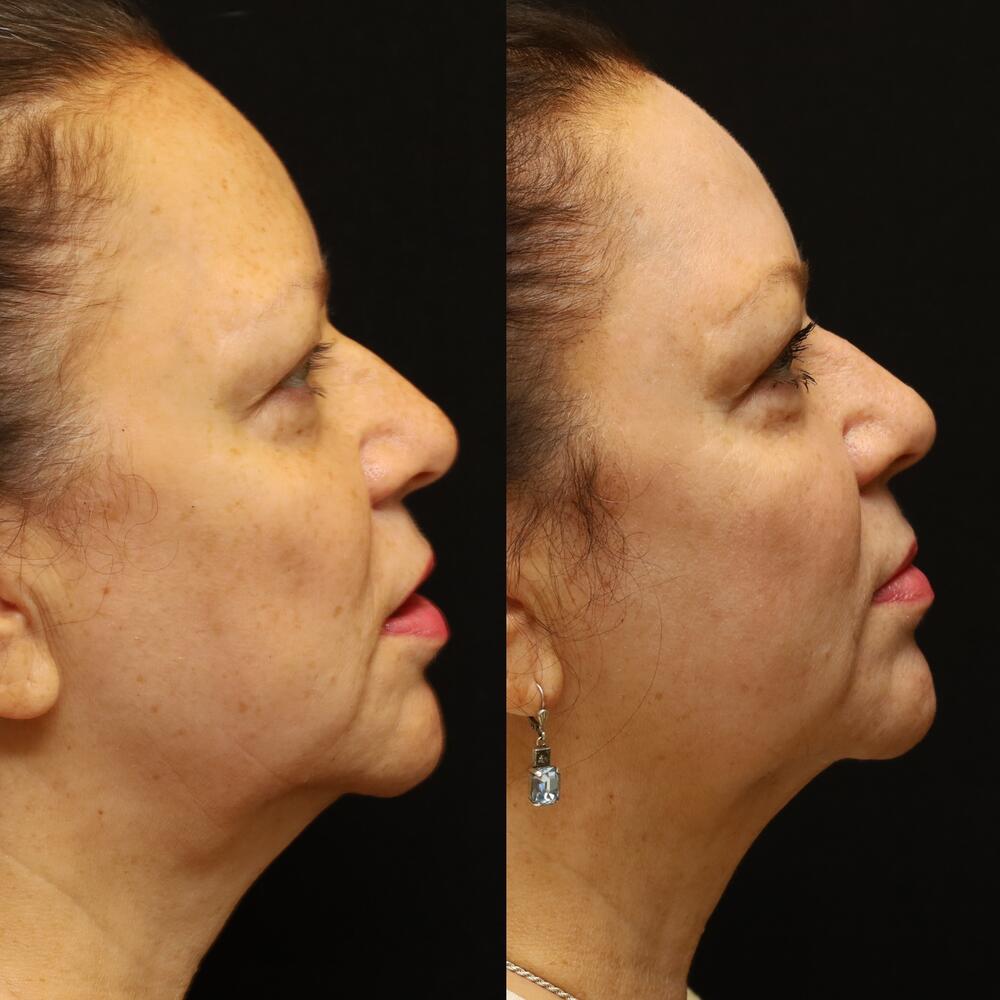
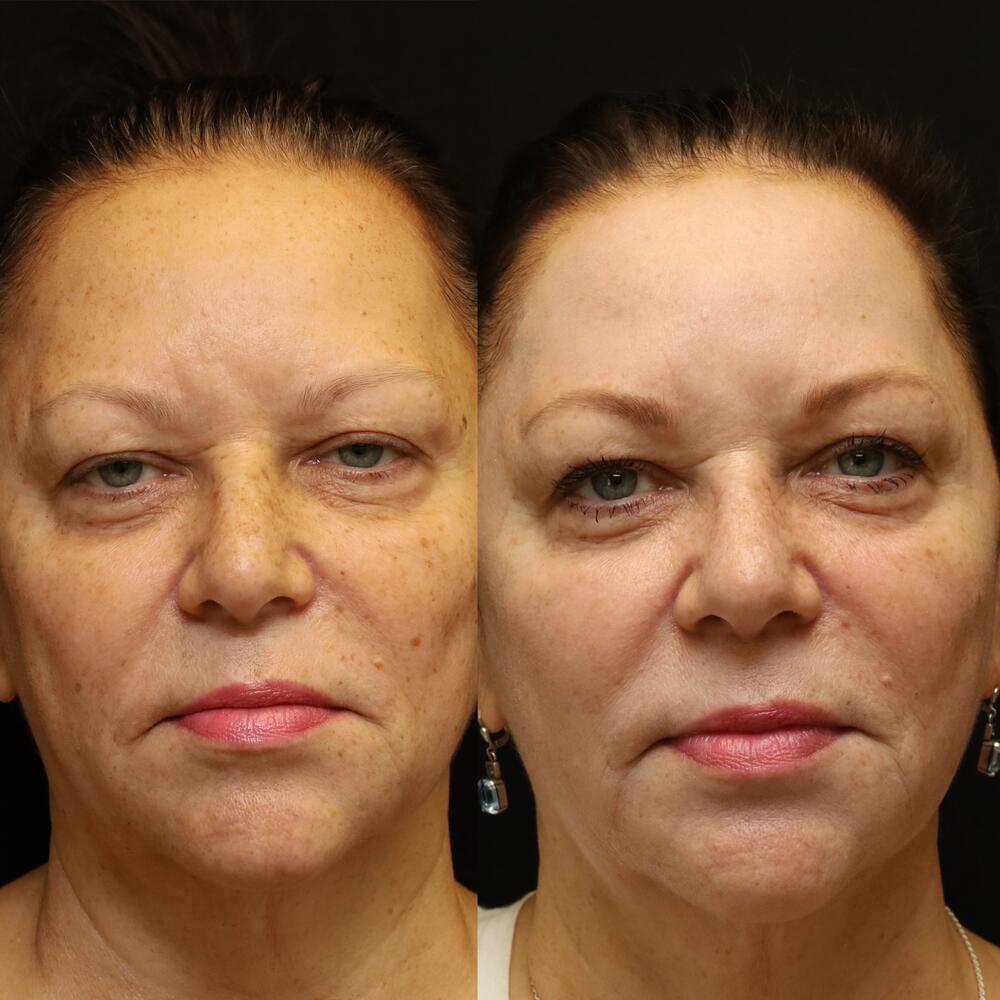
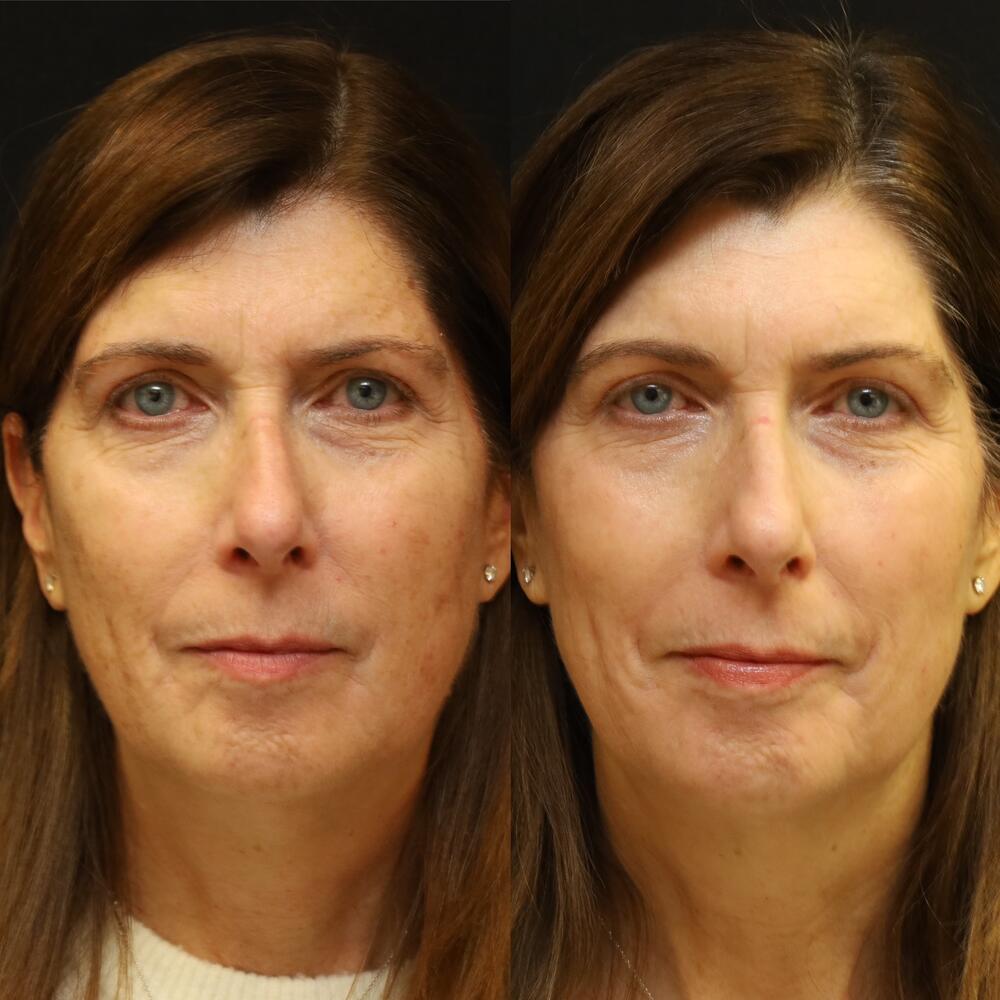
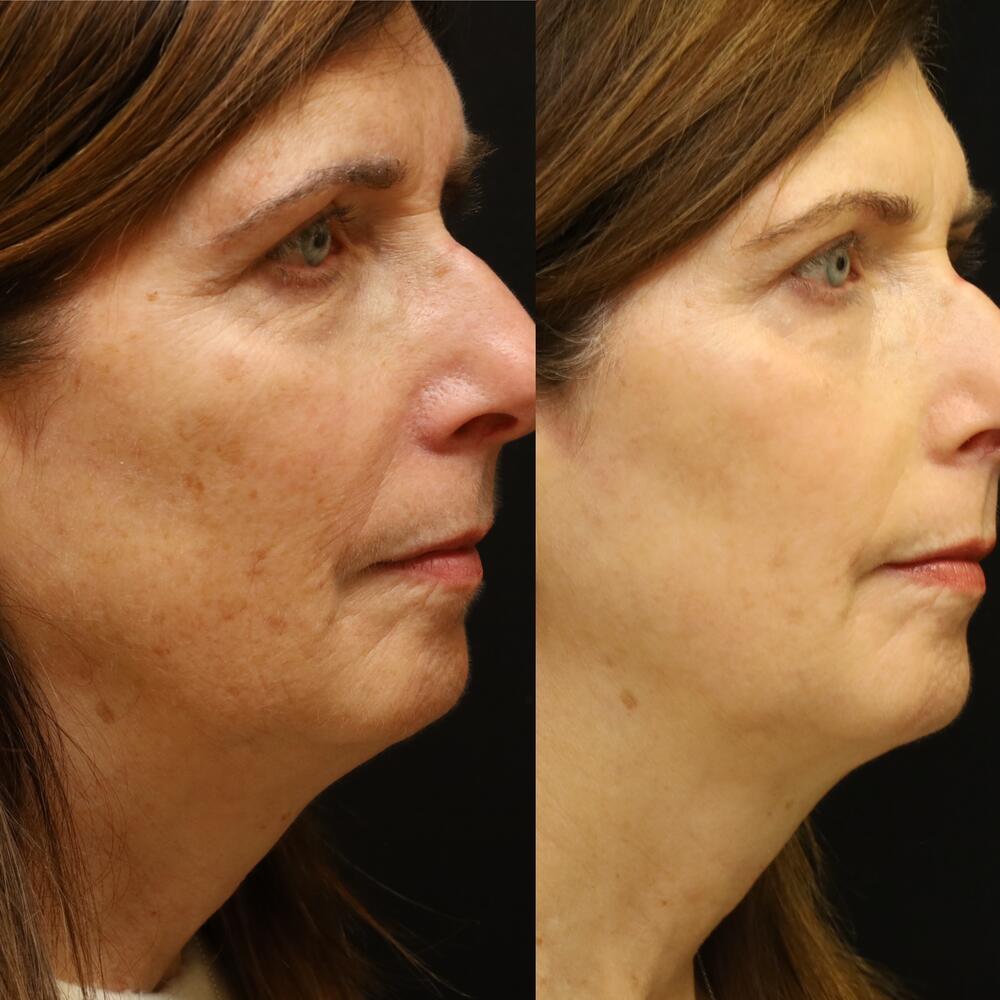
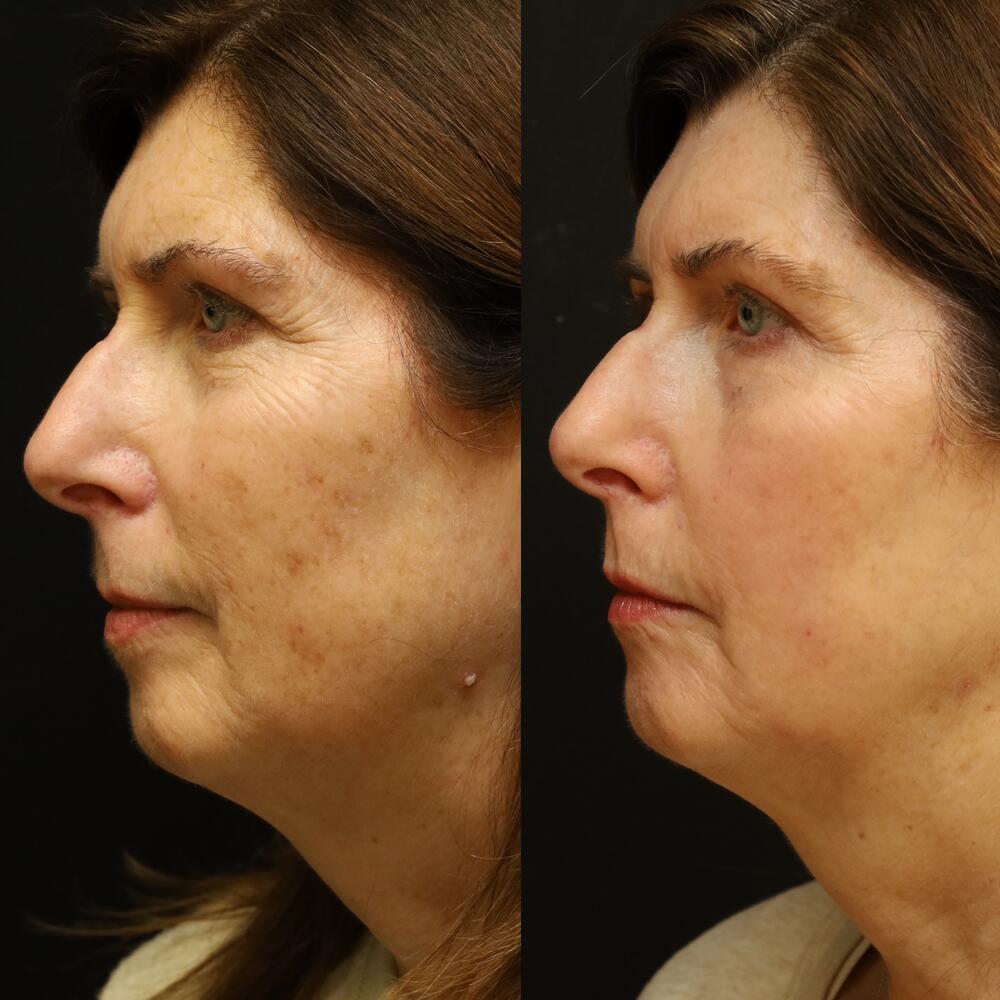
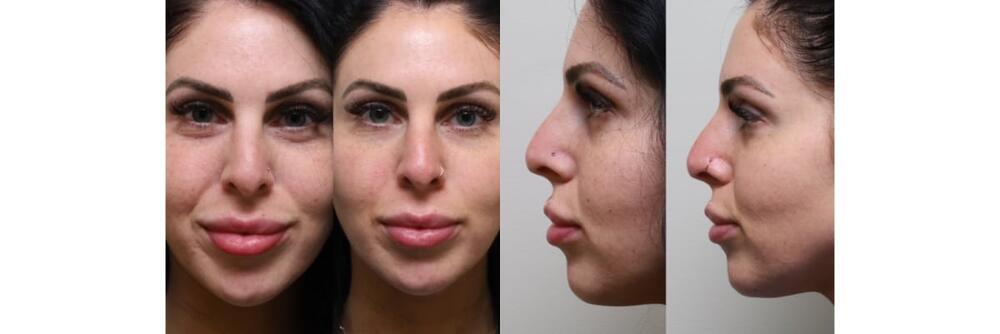
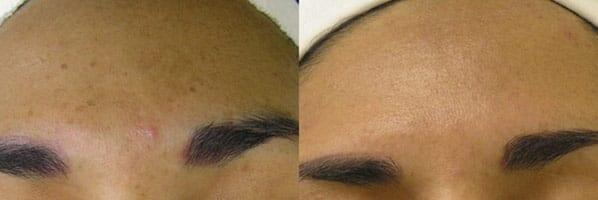
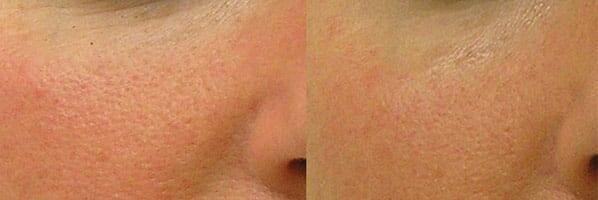
WHAT IS LASER RESURFACING?
Reclaim Healthy Skin
Laser Resurfacing is a skin procedure that uses a laser to improve skin and correct minor facial flaws. An intense beam of light is focused on the target area to replace damaged skin tissue with healthy cells, softening wrinkles and minimizing scar tissue and fine lines. There are two types of laser that can be used for skin resurfacing: ablative and nonablative. An ablative laser actually removes layers of skin, while a nonablative laser only tightens the underlying skin by stimulating collagen growth.
Correct Blemishes Quickly And Safely
AM I A GOOD CANDIDATE FOR LASER RESURFACING?
The ideal candidate for laser resurfacing is a physically and mentally healthy individual who wants to reduce the appearance of wrinkles and liver spots, correct uneven skin tone or texture, repair sun-damaged skin, or reduce scars caused by acne. At our office in Pearl River Laser Resurfacing does NOT eliminate or fix sagging jowls. For patients whose concerns are isolated to their skin’s surface, such as textural or pigmentation-related problems, nonablative treatment may provide the best experience. However, for those looking for firmer skin and fewer wrinkles, ablative treatment may be the optimal choice.
Tailor Your Treatment
YOUR LASER RESURFACING CONSULTATION
During your consultation, your skin specialist will assess your concerns and medical needs to determine if laser skin resurfacing is right for you. Based on your goals and preferences, they will help you determine whether ablative or nonablative laser treatment will deliver your best experience and outcome.

“Absolutely wonderful staff! After your first visit, they know you on a first-name basis. I love everyone here, especially Doctor Fiorillo!”
— G.C.

HOW IS THE PROCEDURE PERFORMED?
Non-Surgical Facial Rejuvenation
Ablative laser resurfacing is generally performed as an outpatient procedure at Reflections Medical by Dr. Michael Fiorillo. Your face will be cleaned and your eyes covered while the doctor numbs you with local anesthetics.
Extensive resurfacing sometimes requires sedation. The procedure consists of an intense beam of light that is focused on your skin, destroying the outer layer of tissue. The laser simultaneously heats the underlying skin, causing your collagen fibers to shrink. New, tighter, and smoother skin forms as the wound heals. The procedure generally takes anywhere from 30 minutes to two hours, depending on the extent of the resurfacing. For non ablative laser resurfacing, the laser stimulates new collagen growth, which tightens skin and improves skin tone and appearance. No skin is removed and the procedure takes about 15 minutes to one and a half hours, again depending on the extent of the treatment area.
A Fresh Perspective
LASER RESURFACING RESULTS
While you can expect a noticeable improvement in the appearance of your skin as soon as you heal, your body will continue to deliver increased collagen to your treated skin for several months after your procedure. As this occurs, you will notice progressively bright, smooth, youthful-looking skin. The longevity of your results will depend on which type of laser treatment you choose and how you care for your skin during your recovery and onward. You can maximize your results with UV protection and a regular at-home skincare regimen. With nonablative laser treatment, you can expect gradual improvements in your skin’s texture and tone that can last months up to a year, while ablative laser resurfacing offers a substantial improvement in your skin’s elasticity that can last for years from a single treatment.
Heal Easy
WHAT IS THE RECOVERY FROM LASER RESURFACING LIKE?
When recovering from ablative Laser Resurfacing Pearl River patients can expect the treated skin to be raw, swollen, and itchy. The treated skin may ooze a yellowish liquid that crusts – to avoid scarring, do not pick at it or the treatment area in general. Dr. Ingargiola will apply an ointment and may dress the area. Over-the-counter painkillers will help manage any pain.
Dr. Ingargiola will provide you with care instructions for when you return home. You can expect new skin to appear over the treated areas in approximately one to two weeks. It is important to note that you may experience lingering redness and inflammation in treated skin for several months. After non ablative laser resurfacing, you can expect red, swollen skin you can apply ice packs to as needed. Immediately after treatment, you will be able to use cosmetics over the treatment area and resume normal activities.

Laser Resurfacing
FREQUENTLY ASKED QUESTIONS
Who should not get laser resurfacing?
Depending on the type of laser used, Laser Resurfacing may be contraindicated for patients who have certain conditions or who have received certain medical treatments. Patients who are pregnant or breastfeeding should postpone their treatment. We perform a thorough assessment to ensure that laser resurfacing is a safe and beneficial option for every patient we treat and offer alternative treatments for those who may not be candidates.
What are the possible risks of laser resurfacing?
The risks of laser resurfacing are relatively mild, but it bears to mention that you could experience any or all of the following after the procedure: itching, swelling, irritation, acne, infection, changes in skin color, or scarring (ablative resurfacing only). This list is not comprehensive, and you should schedule a consultation with Dr. Ingargiola before making the decision to undergo Laser Resurfacing.
Stock images of models are used throughout this website and should not be interpreted as actual patients of our practice. Individual results may vary.


